
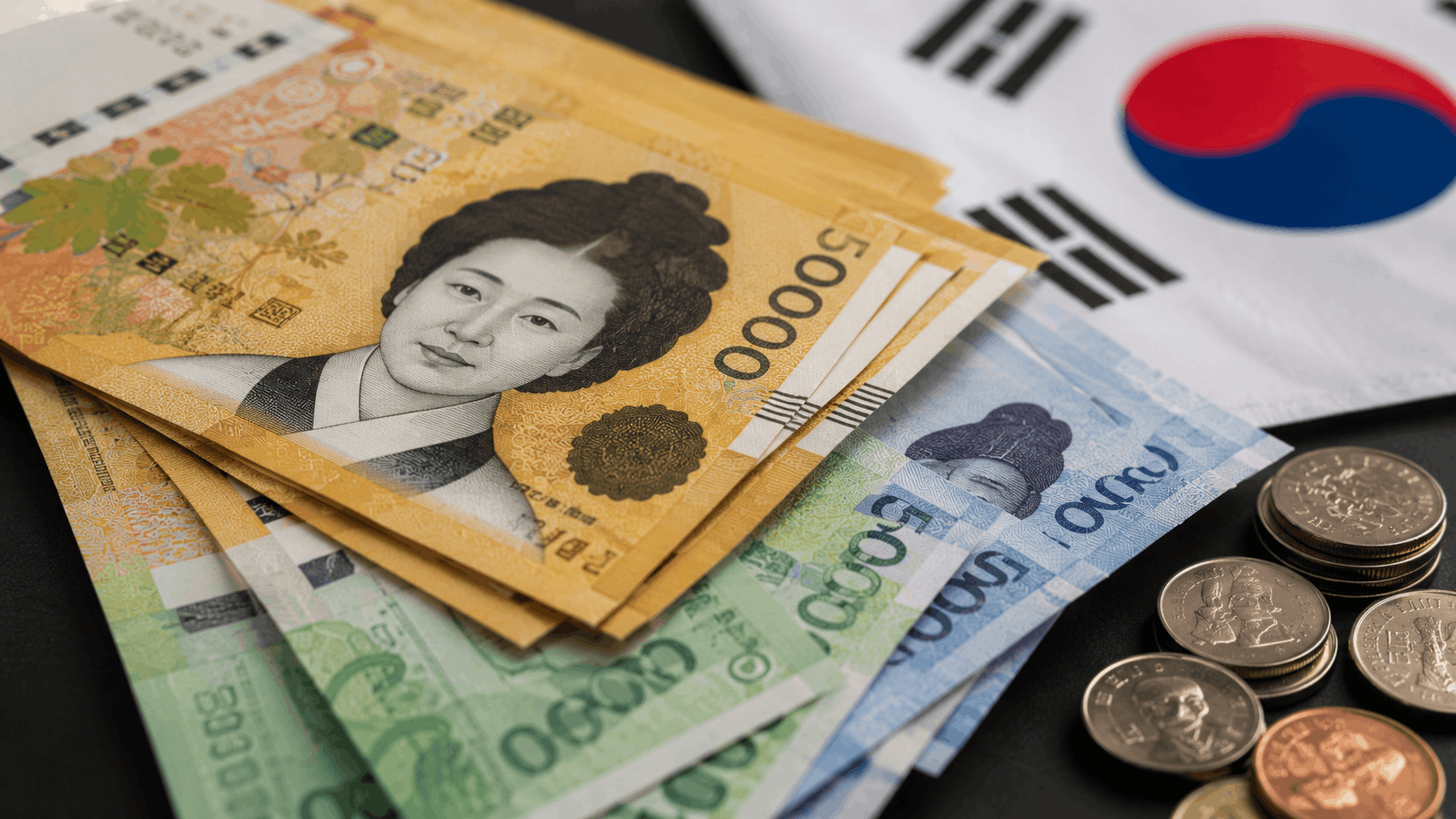
The Won currency is the official currency used in South Korea and plays an important role in global trade, business, and finance. Represented by the symbol ₩ and currency code KRW, the South Korean Won is widely traded in international foreign exchange markets.
As South Korea continues to grow as a global technology and manufacturing powerhouse, the value and performance of the Won currency significantly influence international trade, investment opportunities, and financial markets. Additionally, many investors and multinational businesses closely monitor KRW trends because currency movements can directly affect global trade and investment decisions.
Moreover, South Korea’s strong export economy gives the Won additional importance in Asian and global financial markets. Therefore, understanding how the currency works can help businesses and investors make better financial decisions.
This article explains the Won currency, its history, exchange rate factors, and its importance in global business and finance.
Table of Contents
What Is the South Korean Won?
The South Korean Won is the official currency of South Korea, and the Bank of Korea manages and issues the currency.
Key facts about the Won currency:
- Currency code: KRW
- Currency symbol: ₩
- Used across South Korea
- Managed by the Bank of Korea
Additionally, the Won is one of Asia’s most actively traded currencies because South Korea is a major exporter of electronics, automobiles, and technology products. Furthermore, international investors often monitor the KRW exchange rate to evaluate Asian market conditions.
History of the Won Currency
South Korea strengthened and modernized the Won throughout its economic development. The country introduced the modern version of the currency after financial restructuring and major economic reforms.
Over the decades, South Korea transformed into one of the world’s largest economies. As a result, the global importance of the Won also increased significantly.
Today, the currency reflects South Korea’s strong industrial base, advanced technology sector, and growing influence in international finance. In addition, the stability of the Won often reflects the country’s overall economic health.
Factors That Affect the Value of the Won Currency
Several economic and financial factors influence the value of the South Korean Won in foreign exchange markets.
1. Economic Growth
Strong economic performance often increases investor confidence in the Won. Consequently, international demand for the currency may rise.
2. Interest Rates
Decisions made by the Bank of Korea regarding interest rates directly impact currency value. Higher interest rates may attract foreign investors seeking better returns.
3. Global Trade and Exports
South Korea’s exports, especially technology and automobile sales, strongly affect demand for the Won. For example, strong semiconductor exports can strengthen the currency.
4. Inflation and Market Stability
Inflation levels and political stability also influence exchange rate movements. Similarly, stable economic conditions often support investor confidence.
5. Global Financial Conditions
International economic uncertainty can increase volatility in the currency market. Meanwhile, global recessions or financial crises may weaken investor confidence and create sudden exchange rate fluctuations.
Importance of the Won in Global Business and Finance
The Won currency plays an important role in international trade because South Korea is home to major global companies such as Samsung Electronics, Hyundai Motor Company, and LG Electronics.
The strength of the Won can impact:
- Export competitiveness
- Global investment flows
- International trade balances
- Technology sector performance
Furthermore, foreign investors and multinational companies closely monitor KRW exchange rates when making business decisions in Asia. As a result, the Won remains highly important in global financial discussions.
Won Currency Exchange Rates and Forex Trading
The South Korean Won is actively traded in global forex markets against currencies like:
- US Dollar (USD)
- Japanese Yen (JPY)
- Euro (EUR)
- Chinese Yuan (CNY)
Meanwhile, exchange rates fluctuate daily based on market demand, economic data, and international financial conditions.
Currency traders often analyze:
- Interest rate policies
- Economic reports
- Export performance
- Global market sentiment
Because of this, these factors help determine the short-term and long-term direction of the Won currency. Additionally, forex traders closely follow central bank announcements and global economic trends.
How Currency Exchange Impacts Businesses and Consumers
Changes in the value of the Won can affect both businesses and consumers.
A stronger Won may:
- Reduce import costs
- Increase purchasing power
- Make foreign travel cheaper
On the other hand, a weaker Won may:
- Boost exports
- Increase tourism revenue
- Raise import prices
Therefore, businesses involved in international trade often use currency risk management strategies to reduce exchange rate uncertainty. Likewise, consumers may experience higher or lower prices depending on currency fluctuations.
Investment Opportunities Related to the Won Currency
Investors interested in Asian markets often track the Won because it reflects South Korea’s economic performance and export strength.
Popular investment areas connected to the Won include:
- South Korean stocks
- Technology companies
- Currency trading (Forex)
- International ETFs
Moreover, financial analysts frequently monitor KRW trends to evaluate broader Asian market conditions and future economic growth opportunities. In addition, many institutional investors consider the Won an important indicator of regional economic stability.
Global Investors Closely Monitor the Won Currency
Furthermore, global investors closely monitor the Won currency because it reflects South Korea’s economic strength and export performance. When the country reports strong manufacturing and technology growth, investor confidence in the Won often increases.
As a result, the currency can become more attractive in international forex markets. Moreover, multinational businesses use KRW exchange rate trends to plan imports, exports, and international investments.
Because of this, the Won remains an important currency in global business and finance discussions. Consequently, economic reports from South Korea often receive strong attention from international investors.
Why the Won Currency Matters in Global Finance
Overall, the Won currency is more than just South Korea’s national currency. It represents one of Asia’s most dynamic economies and plays a major role in global trade and financial markets.
As South Korea continues leading in technology, manufacturing, and innovation, the importance of the Won in international business and finance will likely grow even further.
Therefore, understanding KRW exchange rates, market trends, and economic factors can help investors, businesses, and consumers make smarter financial decisions in today’s interconnected global economy.
