
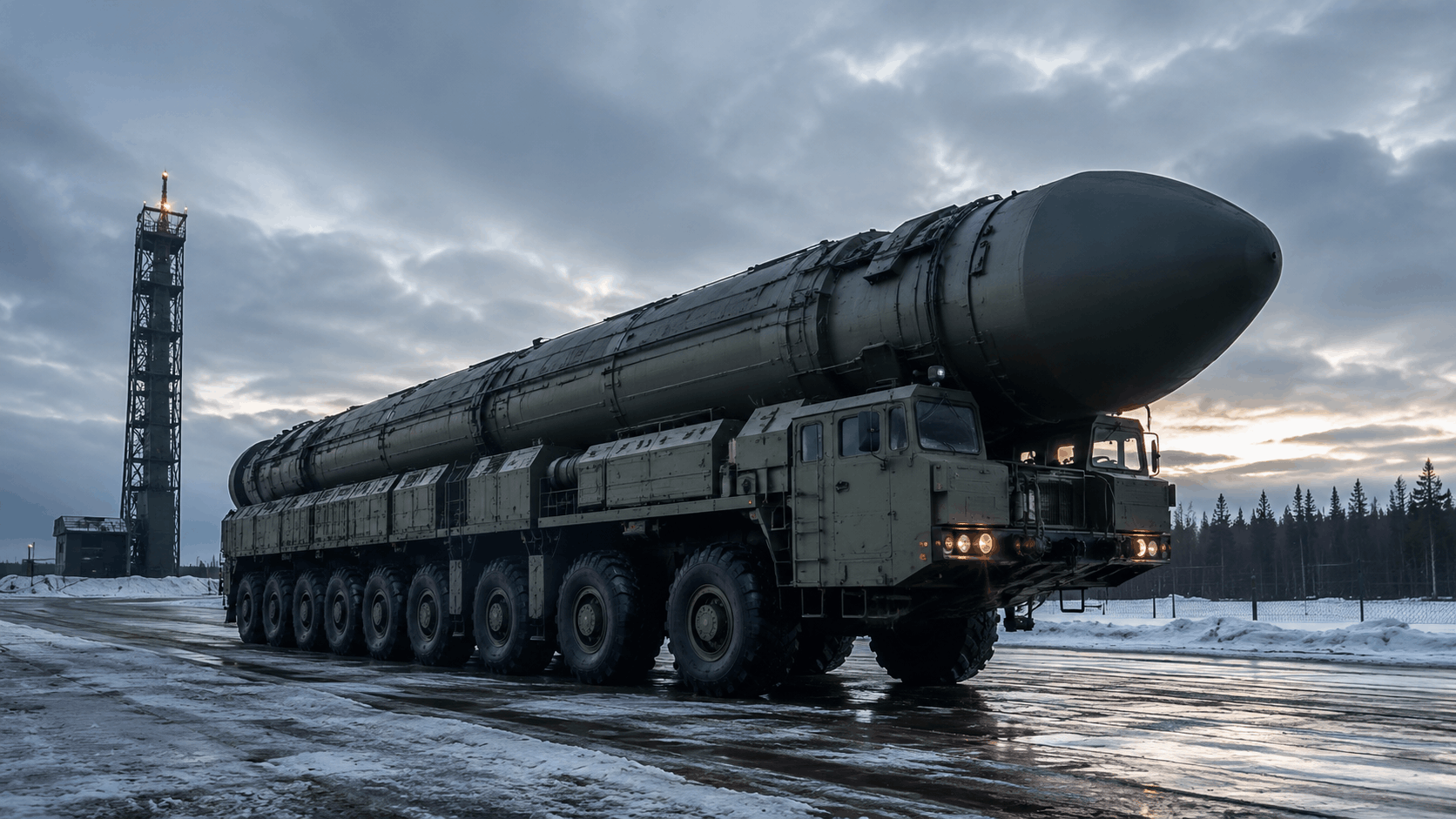
The RS-28 Sarmat is one of Russia’s most advanced intercontinental ballistic missiles (ICBMs). Often referred to as “Satan II” by Western media, this strategic missile system has attracted global attention because of its long-range nuclear capabilities and potential impact on international security.
Beyond military discussions, the RS-28 Sarmat also affects global business, finance, energy markets, and geopolitical stability. Whenever tensions rise between major powers, investors and financial markets often react with increased volatility and uncertainty.
This article explains the RS-28 Sarmat missile, its strategic importance, and how geopolitical developments related to defense systems can influence the global economy and financial markets.
Table of Contents
- What Is the RS-28 Sarmat?
- Why the RS-28 Sarmat Attracts Global Attention
- How Geopolitical Tensions Impact Financial Markets
- Defense Spending and the Global Economy
- How Investors Respond to Global Security Risks
- International Diplomacy and Strategic Stability
- Why the RS-28 Sarmat Matters Beyond Defense
What Is the RS-28 Sarmat?
The RS-28 Sarmat is a Russian intercontinental ballistic missile designed to replace older Soviet-era missile systems. Russia developed the missile to strengthen its nuclear deterrence strategy and modernize its defense capabilities.
Key features often associated with the RS-28 Sarmat include:
- Long-range strike capability
- Nuclear payload capacity
- Advanced missile technology
- Ability to carry multiple warheads
Additionally, defense analysts consider the missile an important part of Russia’s long-term military modernization program.
Why the RS-28 Sarmat Attracts Global Attention
The RS-28 Sarmat receives significant international attention because of its strategic military role and geopolitical implications.
Several factors increase global concern:
- Rising geopolitical tensions
- Nuclear deterrence strategies
- International security risks
- Military competition between global powers
Furthermore, major defense developments often influence diplomatic relations and international policy discussions. As a result, governments and financial institutions closely monitor military announcements involving strategic weapons systems.
How Geopolitical Tensions Impact Financial Markets
Global financial markets often react strongly to geopolitical uncertainty and military developments.
For example, increased tensions involving major powers can lead to:
- Stock market volatility
- Higher oil and energy prices
- Increased demand for safe-haven assets
- Currency market fluctuations
Meanwhile, investors may shift capital toward gold, government bonds, or defensive sectors during periods of global uncertainty.
Because of this, geopolitical developments connected to advanced defense systems like the RS-28 Sarmat can indirectly affect global investment strategies and market confidence.
Defense Spending and the Global Economy
Military modernization programs often influence national budgets and international economic policies.
Countries facing increased security concerns may:
- Increase defense spending
- Expand military research programs
- Invest in cybersecurity and technology
- Strengthen defense alliances
Consequently, defense industries and aerospace companies may experience increased investment activity during periods of geopolitical tension.
Additionally, governments must balance defense spending with economic growth, inflation control, and social programs.
Impact on Energy and Commodity Markets
Geopolitical instability involving major military powers can also affect global energy and commodity markets.
For instance:
- Oil prices may rise due to uncertainty
- Natural gas markets can become volatile
- Commodity prices may fluctuate rapidly
- Supply chain risks may increase
Furthermore, energy-importing countries often face economic pressure during global conflicts or heightened tensions. Therefore, investors closely monitor international security developments when analyzing commodity markets.
How Investors Respond to Global Security Risks
Investors often adjust their financial strategies during periods of geopolitical uncertainty.
Common investor reactions include:
- Moving toward low-risk assets
- Investing in gold and defensive sectors
- Reducing exposure to volatile markets
- Monitoring global policy changes
Moreover, institutional investors frequently analyze geopolitical risks before making long-term investment decisions.
Because of this, defense-related news can influence investor sentiment even outside military industries.
International Diplomacy and Strategic Stability
Global leaders and international organizations continue working to maintain strategic stability and reduce the risk of conflict between nuclear powers.
Diplomatic discussions often focus on:
- Arms control agreements
- International security cooperation
- Nuclear deterrence policies
- Global peace initiatives
Meanwhile, stable diplomatic relations generally support stronger economic growth and investor confidence worldwide.
Why the RS-28 Sarmat Matters Beyond Defense
The RS-28 Sarmat is not only a military technology topic but also a geopolitical and economic issue with global implications.
As international tensions influence energy prices, financial markets, and investor confidence, developments involving advanced defense systems continue affecting business and finance discussions worldwide.
Therefore, understanding the broader economic impact of geopolitical events can help investors, businesses, and policymakers make more informed decisions in an increasingly interconnected global economy.
