
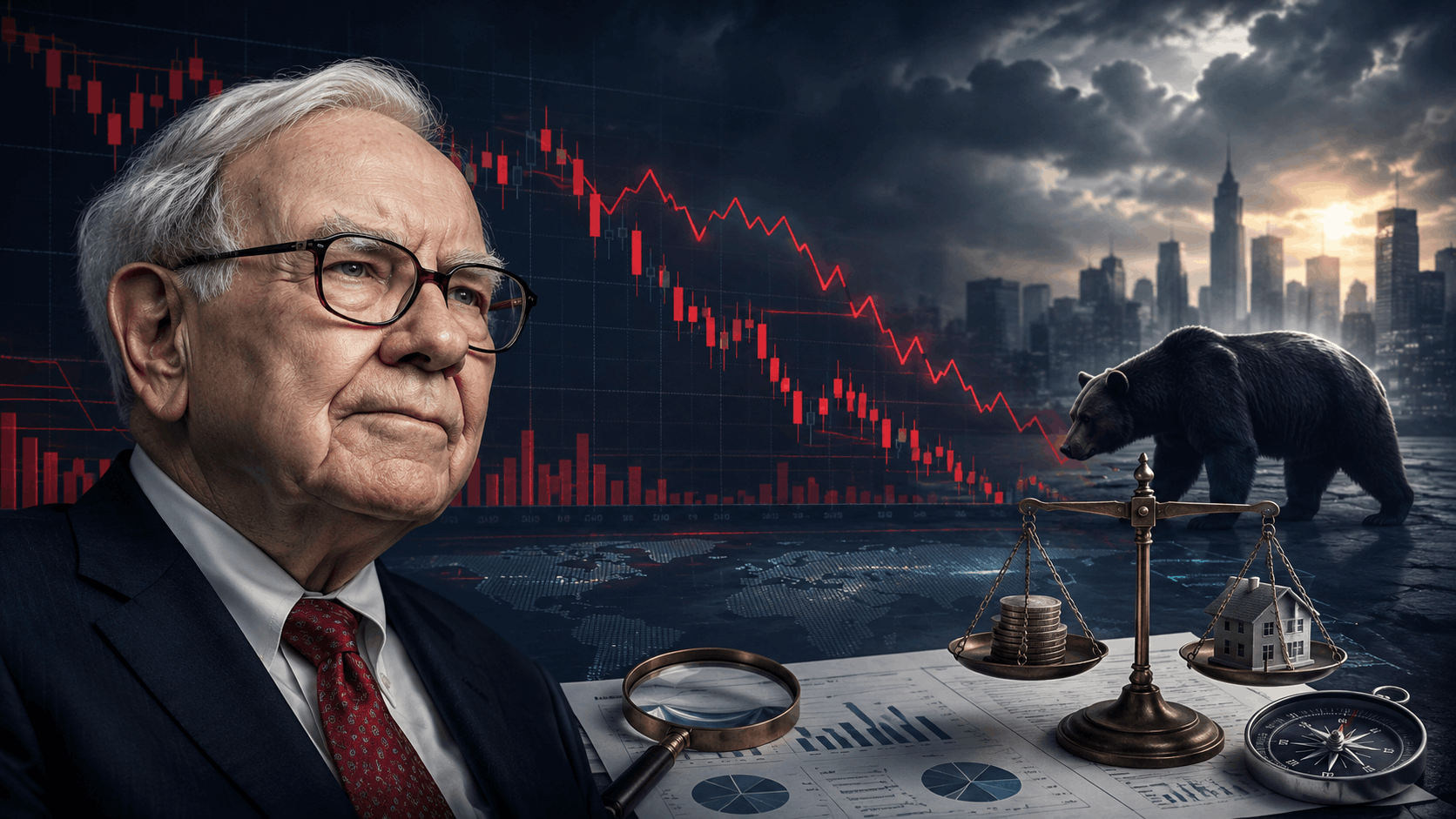
Warren Buffett is widely regarded as one of the most successful investors in financial history. Whenever he comments on market conditions, valuations, or investment risks, investors around the world pay close attention. In 2026, discussions surrounding a potential Warren Buffett market warning have gained momentum as stock markets reach record highs and concerns about valuations continue to grow.
Buffett is known for emphasizing long-term investing, financial discipline, and fundamental business analysis. His views often provide valuable insight into market sentiment and investor behavior during periods of rapid market growth.
As economic uncertainty, artificial intelligence investments, and rising stock valuations dominate financial headlines, Warren Buffett’s investment philosophy remains highly relevant to modern business and finance.
Table of Contents
Who Is Warren Buffett and Why Do Investors Follow His Views?
Warren Buffett is one of the world’s most respected investors and the chairman of Berkshire Hathaway.
Investors follow Buffett because of his focus on:
- Long-term investing
- Business fundamentals
- Value investing
- Risk management
- Financial discipline
Furthermore, Buffett’s investment decisions have influenced generations of investors and financial professionals.
Because of his decades of market experience, his observations about economic conditions often attract significant attention from both retail and institutional investors.
Why Warren Buffett Market Warnings Receive Global Attention
Market participants closely monitor Buffett’s comments because he has successfully navigated multiple economic cycles.
His warnings often focus on:
- Market speculation
- Excessive valuations
- Investor behavior
- Economic uncertainty
- Long-term financial risks
Additionally, Buffett frequently encourages investors to avoid emotional decision-making and focus on business quality rather than short-term market movements.
As markets become more volatile, many investors look to his principles for guidance.
Current Market Conditions Driving Investor Concerns
Several factors have contributed to discussions about market risks in 2026.
Key concerns include:
- High stock market valuations
- Artificial intelligence investment enthusiasm
- Interest rate uncertainty
- Economic growth expectations
- Market concentration in major technology companies
Furthermore, strong gains in technology and AI-related stocks have increased debate regarding whether current valuations remain sustainable.
As a result, investors are paying closer attention to risk management strategies.
Key Lessons From Warren Buffett’s Investment Philosophy
Buffett’s investing approach is built around several important principles.
These include:
Focus on Business Fundamentals
Investors should evaluate:
- Revenue growth
- Profitability
- Competitive advantages
- Management quality
- Financial stability
Think Long Term
Buffett often emphasizes that successful investing requires patience and a long-term perspective.
Avoid Speculation
Rather than chasing short-term trends, investors should focus on businesses with strong fundamentals and sustainable growth potential.
Maintain Financial Discipline
Risk management and diversification remain essential during both bull and bear markets.
How Market Valuations Influence Investment Decisions
Valuation is one of the most important factors in investing.
When valuations rise significantly, investors often examine:
- Price-to-earnings ratios
- Revenue growth expectations
- Profit margins
- Future earnings potential
- Market sentiment
Furthermore, elevated valuations can increase both opportunity and risk.
Because market conditions change over time, investors often balance growth potential with valuation considerations.
Potential Risks Investors Should Monitor
Even during strong market environments, risks remain present.
Common concerns include:
- Market corrections
- Economic slowdowns
- Inflation pressures
- Interest rate changes
- Investor overconfidence
Additionally, rapid price increases can sometimes create unrealistic expectations about future returns.
As a result, many financial professionals encourage disciplined portfolio management.
Future Outlook for Investors and Financial Markets
The long-term outlook for financial markets remains influenced by several important factors.
These include:
- Technological innovation
- Artificial intelligence adoption
- Corporate earnings growth
- Economic expansion
- Global investment activity
Furthermore, businesses that successfully adapt to changing economic conditions may continue generating long-term value for shareholders.
While short-term volatility may occur, many investors continue focusing on long-term opportunities.
Why Warren Buffett Market Warning Matters in Business and Finance
Warren Buffett’s market observations matter because they encourage investors to think critically about valuations, risk, and long-term wealth creation.
His investment philosophy highlights the importance of patience, discipline, and fundamental analysis during periods of market optimism.
Whether markets continue rising or experience corrections, Buffett’s principles remain valuable for investors seeking sustainable long-term success.
Therefore, discussions about a Warren Buffett market warning continue to be highly relevant within today’s business and finance environment.
As investors navigate evolving market conditions in 2026, Warren Buffett’s investment principles continue providing valuable guidance. His focus on business fundamentals, risk management, and long-term thinking offers important lessons during periods of strong market performance and growing valuation concerns.
For businesses, investors, and financial professionals, understanding Buffett’s approach can help support more informed investment decisions and long-term financial success.
