
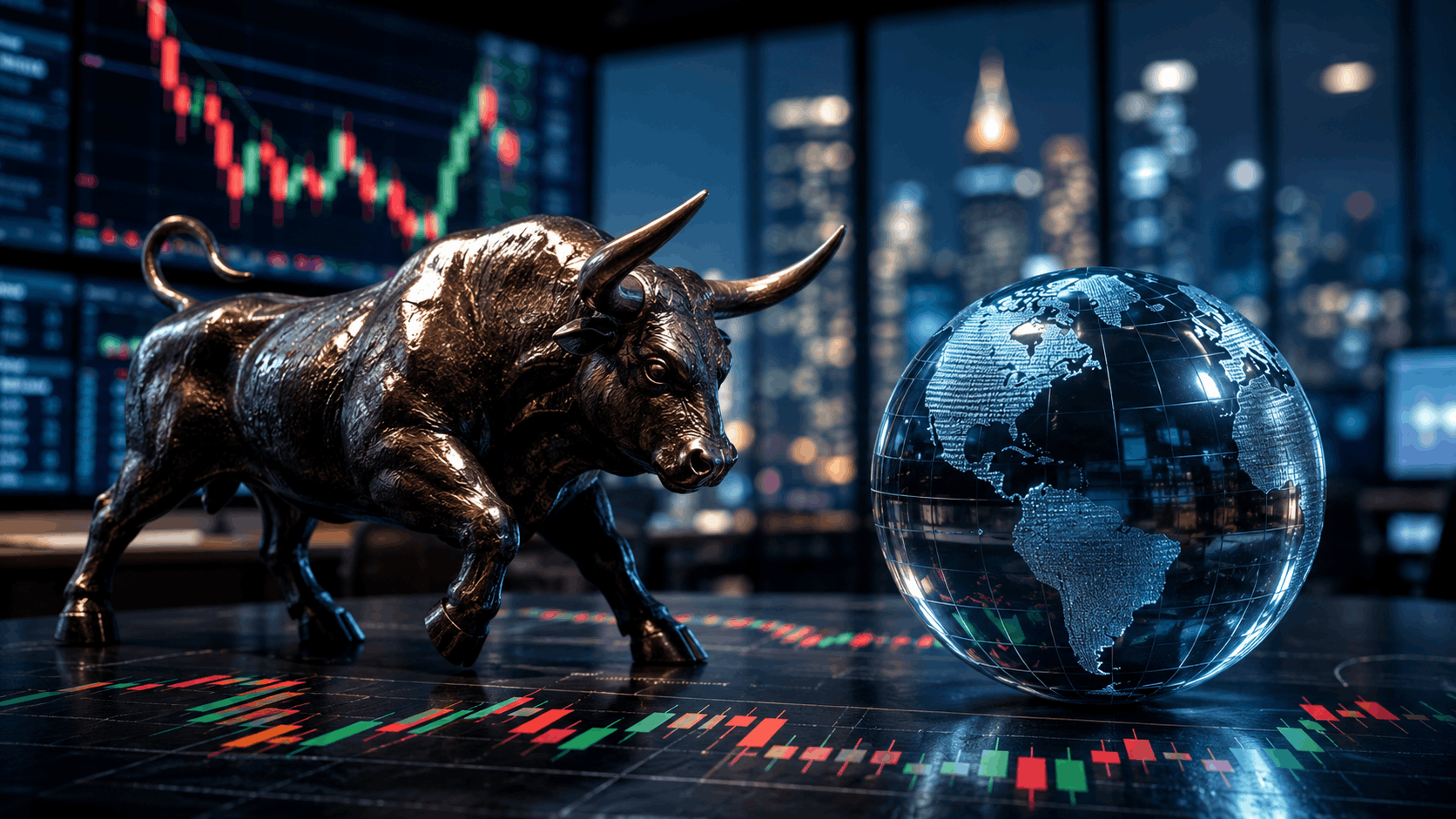
Stock futures are currently trending in global financial markets as investors react to inflation concerns, interest rate expectations, corporate earnings, and worldwide economic uncertainty.
Today, traders and financial institutions closely monitor stock futures because they provide an early signal of how markets may perform before major stock exchanges officially open.
Additionally, movements in:
- S&P 500 futures
- Nasdaq futures
- Dow Jones futures
often influence investor confidence and short-term market direction.
As global markets continue facing economic pressure, stock futures have become one of the most important indicators in modern business and finance discussions.
What Are Stock Futures and How Do They Work?
Stock futures are financial contracts that allow investors to buy or sell stock indexes at a future date for a predetermined price.
These contracts help traders:
- Predict market direction
- Manage financial risks
- Hedge investment portfolios
- Speculate on market movements
Furthermore, stock futures trade almost around the clock, allowing investors to react quickly to global economic news and geopolitical events.
Because of this, futures markets often move before regular stock market trading begins.
Why Investors Closely Watch Stock Futures
Investors follow stock futures because they provide important insights into market sentiment and economic expectations.
Several factors influence futures trading:
- Inflation data
- Federal Reserve policies
- Corporate earnings reports
- Global conflicts
- Economic growth forecasts
Additionally, futures markets react rapidly to breaking financial news, making them a key tool for institutional and retail investors.
As a result, traders use stock futures to understand possible market volatility before regular trading sessions start.
How Interest Rates Impact Stock Futures
Interest rate expectations play a major role in futures market performance.
When central banks increase interest rates:
- Borrowing costs rise
- Corporate profits may slow
- Investor confidence can weaken
Meanwhile, lower interest rate expectations often improve market optimism and support stock futures growth.
Furthermore, investors closely monitor statements from the Federal Reserve because monetary policy decisions strongly affect global financial markets.
Because of this, interest rate speculation remains one of the biggest drivers of stock futures volatility.
Technology Stocks and Nasdaq Futures Volatility
Technology companies continue heavily influencing futures markets, especially Nasdaq futures.
Major technology sectors include:
- Artificial intelligence
- Semiconductor manufacturing
- Cloud computing
- Cybersecurity
- Digital infrastructure
Additionally, investor excitement surrounding AI innovation has increased market activity in technology-related stocks.
Companies connected to artificial intelligence and advanced computing often create large movements in futures trading.
Therefore, technology earnings reports remain highly important for short-term market direction.
Global Economic Uncertainty and Futures Markets
Global economic uncertainty frequently increases stock futures volatility.
Several major concerns currently affecting markets include:
- Inflation pressure
- Banking sector risks
- Slowing global growth
- Geopolitical tensions
- Energy market fluctuations
Furthermore, investors often move cautiously during uncertain economic conditions.
As a result, futures markets can experience rapid price changes based on economic reports and political developments.
Because of this, stock futures remain one of the most closely watched indicators in global finance.
How Institutional Investors Use Stock Futures
Large financial institutions use stock futures for several investment strategies.
Common uses include:
- Portfolio protection
- Risk management
- Short-term trading
- Market hedging
Additionally, hedge funds and investment firms actively trade futures contracts because they offer liquidity and fast market exposure.
As financial markets become increasingly data-driven, institutional futures trading continues growing worldwide.
Risks Associated With Stock Futures Trading
Although stock futures provide investment opportunities, they also involve significant risks.
Important risks include:
- High market volatility
- Economic uncertainty
- Sudden price fluctuations
- Leverage-related losses
- Global political instability
Furthermore, futures markets can react instantly to breaking news, creating rapid changes in trading conditions.
Therefore, investors must carefully monitor risk while participating in futures trading.
Future Outlook for Stock Futures Markets
The future of stock futures trading will likely remain connected to economic growth, technology innovation, and global investment activity.
Several trends may shape future markets:
- AI-powered trading systems
- Increased digital investing
- Faster market data analysis
- Global market integration
- Expansion of retail trading platforms
Additionally, financial technology advancements continue improving market accessibility and trading efficiency.
Because of this, futures trading is expected to remain a major part of the global financial system.
Why Stock Futures Matter in Business and Finance
Stock futures play a critical role in global financial markets because they help investors measure market sentiment, economic expectations, and potential trading direction.
As inflation concerns, interest rates, and global uncertainty continue influencing investor behavior, futures markets remain essential for traders, institutions, and financial analysts.
Therefore, understanding stock futures can provide valuable insights into market trends, investment strategies, and the future direction of the global economy.
