
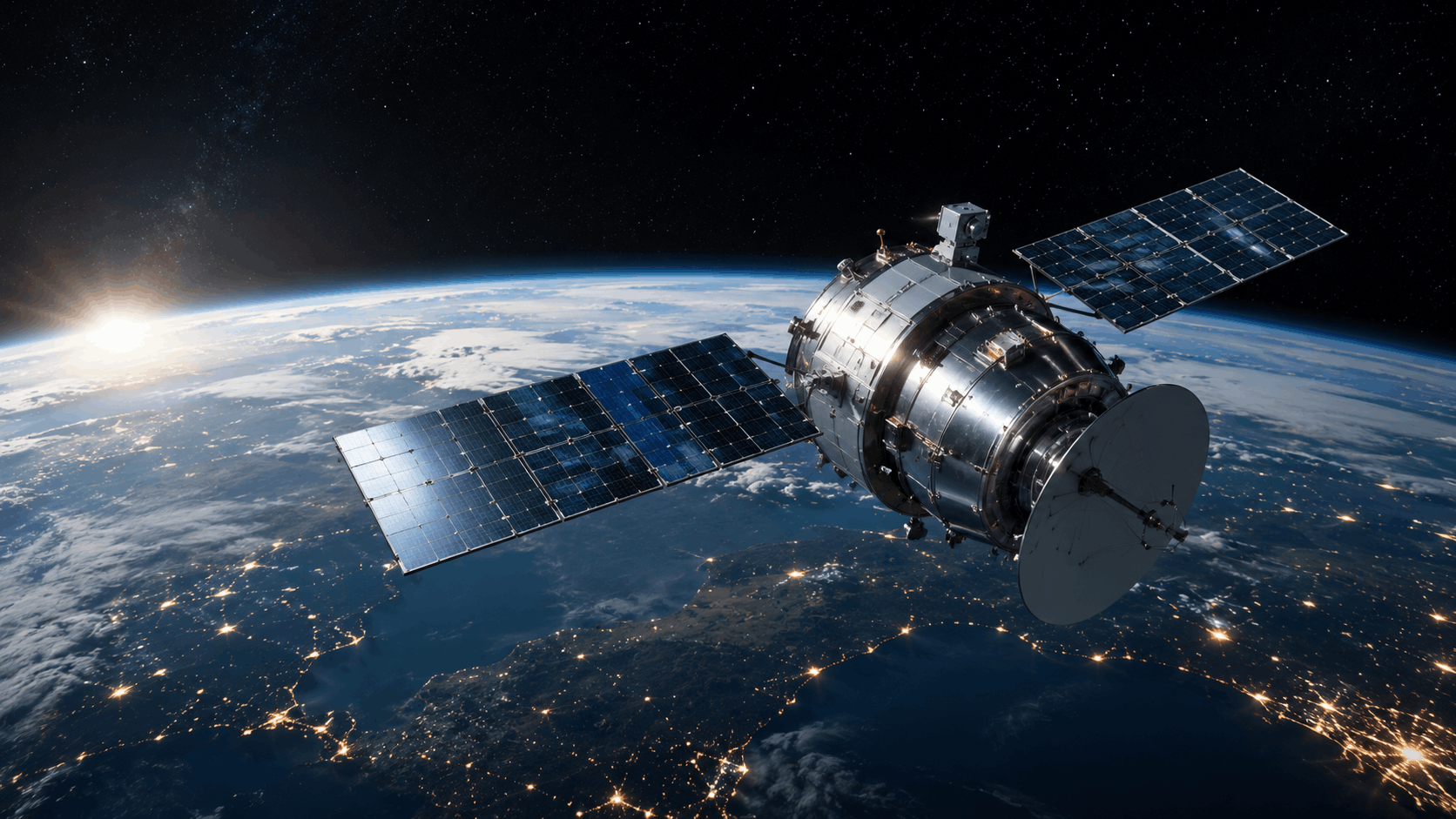
Russia has long been one of the leading nations in space exploration and satellite technology. The country’s satellite programs play an important role in global communication, defense systems, navigation technology, and scientific research.
From a business and finance perspective, Russian satellite development influences the aerospace industry, government spending, international partnerships, and global technology competition.
Table of Contents
- What Is the Russian Satellite Program?
- History and Growth of Russian Satellites
- Business Impact of Satellite Technology
- Financial Impact on the Aerospace Industry
- Russian Satellites and National Security
- Challenges and Financial Risks
- Global Competition in Space Technology
- Strategic Insights for Businesses and Investors
What Is the Russian Satellite Program?
The Russian satellite program refers to the development, launch, and operation of satellites by Russia for commercial, scientific, military, and communication purposes.
Major objectives of the program include:
- Space communication systems
- Earth observation and monitoring
- Military surveillance and defense
- Navigation and positioning services
- Scientific research missions
Russia has maintained a strong presence in the global space sector through decades of technological advancement and strategic investment.
History and Growth of Russian Satellites
Russia has a historic legacy in space exploration.
The launch of Sputnik 1 in 1957 marked the beginning of the space age and established Russia as a pioneer in satellite technology.
Since then, Russia has continued developing:
- Communication satellites
- Weather monitoring systems
- Military satellites
- Scientific space missions
Its experience and infrastructure remain valuable assets in the global aerospace industry.
Business Impact of Satellite Technology
Satellite systems contribute significantly to modern business operations.
Communication Services
Satellites support internet connectivity, broadcasting, and international communication networks.
Navigation and Transportation
Satellite navigation improves logistics, aviation, shipping, and transportation efficiency.
Data and Analytics
Earth observation satellites provide valuable environmental and economic data for businesses and governments.
Commercial Space Opportunities
Private aerospace companies increasingly collaborate with satellite programs for launches and technology development.
These applications create long-term economic value across multiple industries.
Financial Impact on the Aerospace Industry
Satellite development requires substantial financial investment.
Government Funding
Space and defense budgets play a major role in supporting satellite programs.
Infrastructure Development
Satellite manufacturing, launch facilities, and tracking systems generate economic activity.
International Contracts
Satellite services create revenue through global partnerships and technology exports.
Job Creation
The aerospace sector supports engineers, scientists, software developers, and manufacturing professionals.
The satellite industry remains an important contributor to technological innovation and economic growth.
Russian Satellites and National Security
Satellite systems are critical for national defense and strategic operations.
Key military applications include:
- Surveillance and intelligence gathering
- Secure communication systems
- Missile detection and tracking
- Navigation support for defense operations
Because of these capabilities, satellite technology is closely linked to geopolitical and defense strategies.
Challenges and Financial Risks
Despite technological strengths, the Russian satellite sector faces several challenges.
Economic Sanctions
International sanctions can impact technology access and financial partnerships.
High Development Costs
Satellite programs require long-term investment and advanced infrastructure.
Global Competition
Competition from countries such as the United States and China continues to increase.
Technological Modernization
Rapid innovation in private space technology creates pressure for modernization.
These factors influence the long-term competitiveness of the industry.
Global Competition in Space Technology
The global space industry is becoming increasingly competitive.
Russia competes with:
- The United States
- China
- European space organizations
- Private aerospace companies
Commercial space businesses are rapidly expanding, changing the dynamics of the satellite market.
Innovation, cost efficiency, and strategic partnerships will determine future market leadership.
Future Outlook of Russian Satellite Industry
The future of the Russian satellite sector will depend on technological investment, international cooperation, and economic stability.
Future trends may include:
- Advanced communication satellites
- AI-powered satellite systems
- Increased defense-focused technologies
- Expansion of commercial satellite services
As the global demand for connectivity and space-based services grows, satellite technology will remain strategically important.
Strategic Insights for Businesses and Investors
- Satellite technology is becoming a critical part of the digital economy
- Aerospace innovation creates long-term investment opportunities
- Government spending strongly influences the sector
- Geopolitical developments affect satellite markets
- Space technology demand is expected to continue growing globally
Russia’s satellite program remains a major force in the global aerospace and technology sectors. From communication systems to defense applications, satellites play a critical role in modern economic and strategic infrastructure.
For businesses and investors, the growth of satellite technology represents both opportunities and risks in an increasingly competitive and politically sensitive global market.
