
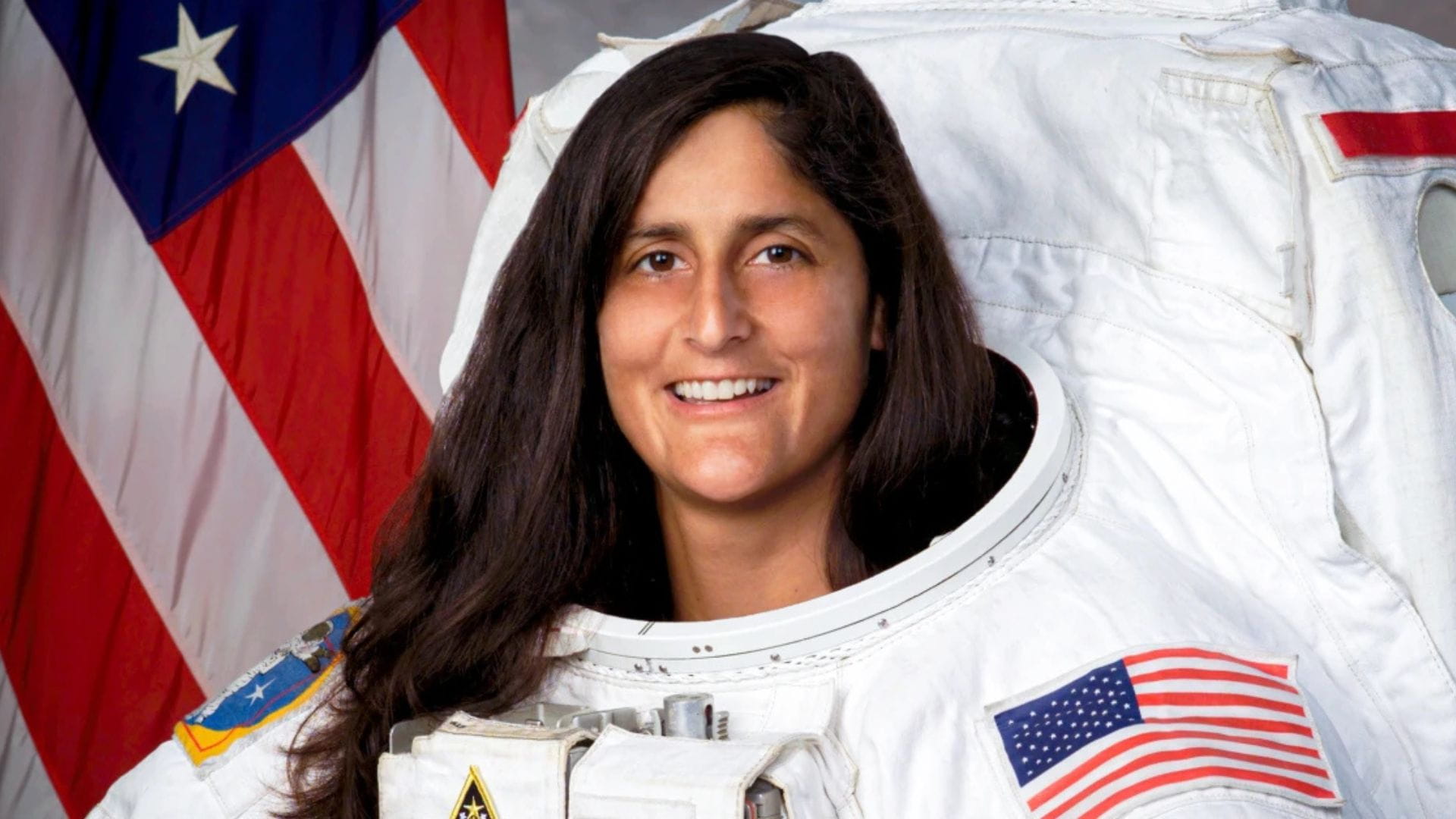
NASA astronaut Sunita Williams has officially retired, marking the end of a remarkable space career. Her retirement is not only a historic moment for space exploration but also an important development for the space economy. From government space programs to private companies, her departure reflects a major shift in how the global space industry operates.
This transition highlights the growing role of commercial space firms, changing workforce dynamics, and evolving investment trends in the aerospace sector.
Table of Contents
- Understanding Sunita Williams’ Role in the Space Industry
- Financial Impact on NASA and Government Space Programs
- Opportunities for Private Space Companies
- Impact on Workforce Development and Talent Economics
- Investor Sentiment and the Broader Space Market
- Long-Term Business Lessons from Sunita Williams’ Career
Understanding Sunita Williams’ Role in the Space Industry
Sunita Williams has been a key figure in NASA’s long-duration space missions, contributing to International Space Station operations, research programs, and international cooperation. Her work supported advancements in space technology, life sciences, and mission efficiency, all of which have long-term economic value for both public and private stakeholders in the space industry.
Her retirement highlights the transition of expertise from government-led missions to a more diversified space ecosystem involving private enterprises and global partnerships.
Financial Impact on NASA and Government Space Programs
The retirement of a senior astronaut like Sunita Williams does not directly reduce NASA’s budget, but it influences how funds are allocated. Training new astronauts requires significant investment in education, simulations, health programs, and mission readiness.
From a financial perspective, NASA increasingly balances costs by collaborating with private companies, outsourcing transport services, and focusing internal resources on research, deep-space exploration, and strategic innovation rather than routine operations.
Opportunities for Private Space Companies
Sunita Williams’ retirement comes at a time when private space firms play a growing role in human spaceflight. Companies involved in launch services, space stations, research payloads, and astronaut training benefit from NASA’s shift toward public-private partnerships.
This transition creates new revenue streams for aerospace manufacturers, technology providers, and space startups. It also increases competition, innovation, and investor interest in the commercial space sector.
Impact on Workforce Development and Talent Economics
Experienced astronauts represent high-value human capital. When leaders like Sunita Williams retire, their expertise often transitions into advisory roles, corporate leadership, public speaking, or academic positions.
For businesses, this creates opportunities to access elite knowledge in areas such as risk management, systems engineering, leadership under pressure, and mission-critical operations. At the same time, it drives demand for new talent, increasing investments in STEM education and astronaut training programs.
Investor Sentiment and the Broader Space Market
The retirement of a prominent astronaut signals a generational shift rather than a slowdown. Investors generally view such transitions as part of a maturing industry, where institutional knowledge is replaced by scalable systems, automation, and private-sector efficiency.
The global space economy continues to attract long-term investment in satellite technology, space tourism, research services, and defense applications, with confidence driven by sustained government support and expanding commercial participation.
Long-Term Business Lessons from Sunita Williams’ Career
Sunita Williams’ career offers important lessons for businesses across industries. Her work demonstrates the value of long-term investment, disciplined risk management, international collaboration, and continuous innovation.
From a business perspective, her retirement reinforces the idea that strong institutions outlast individuals when knowledge is documented, systems are scalable, and leadership transitions are well planned.
NASA astronaut Sunita Williams’ retirement is not just a historic moment in space exploration but also a significant event for the business and financial landscape of the aerospace industry. It reflects the evolution of space from a government-driven mission to a global, commercially integrated economy. As new talent emerges and private companies expand their role, the space sector remains positioned for sustained growth, innovation, and long-term investment opportunities.

References


