
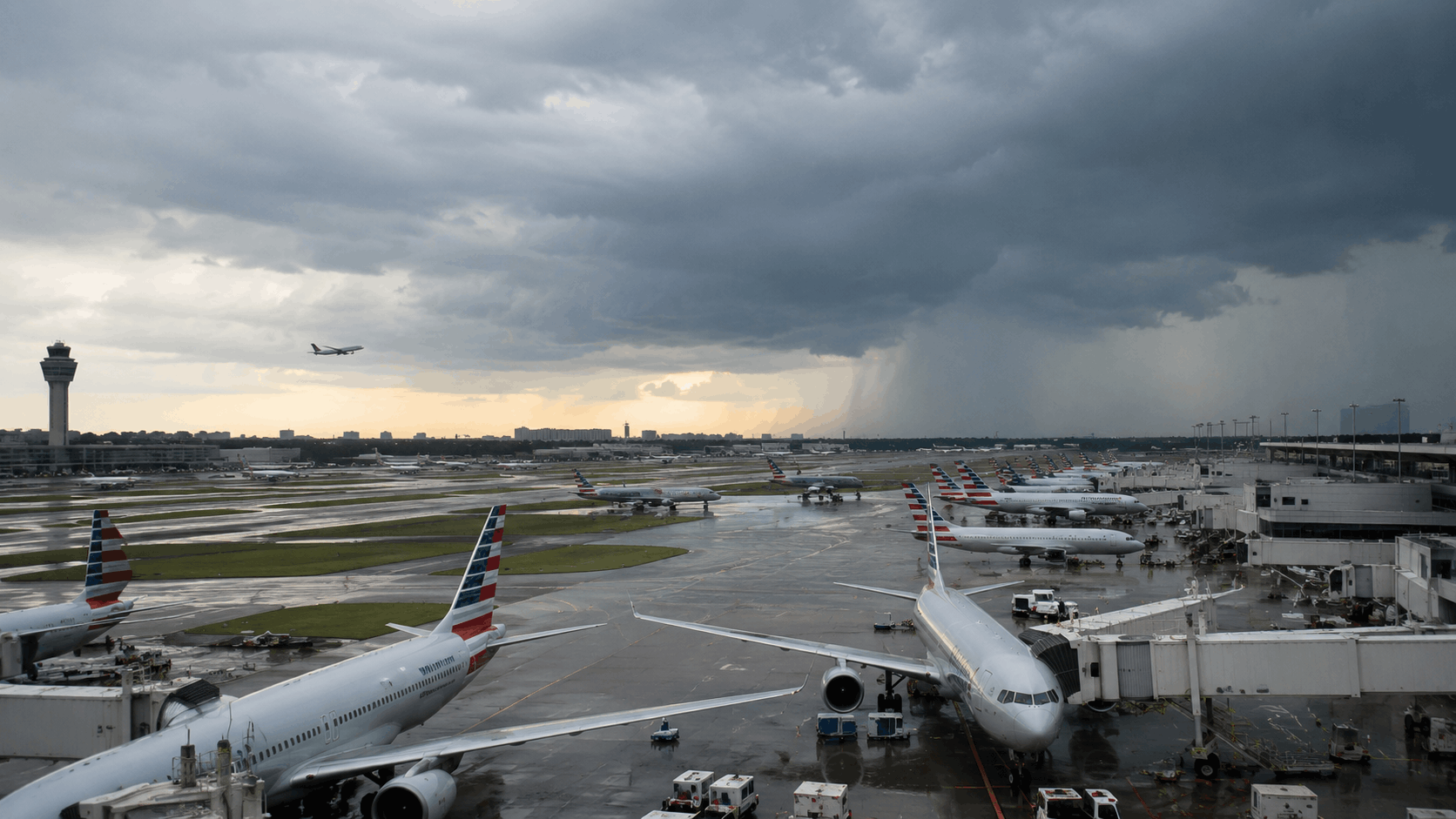
A DFW ground stop refers to a temporary halt on departing or arriving flights at Dallas/Fort Worth International Airport, one of the busiest airports in the United States.
Ground stops usually occur because of:
- Severe weather conditions
- Air traffic congestion
- Technical system failures
- Safety concerns
- FAA operational restrictions
Additionally, DFW ground stops often become trending news topics because they affect thousands of passengers, airline schedules, business travel, and the broader transportation industry.
As global air travel continues expanding, disruptions at major airports can also influence airline stocks, tourism, logistics, and business operations.
Table of Contents
Why DFW Airport Is Important to the US Economy
Dallas/Fort Worth International Airport plays a major role in the US aviation and transportation industry.
The airport supports:
- Domestic and international travel
- Cargo transportation
- Business travel operations
- Tourism and hospitality industries
Furthermore, DFW serves as a major hub for American Airlines, making it one of the most important airports for airline connectivity in North America.
Because of this, operational disruptions at DFW can quickly affect national flight schedules and airline operations.
Common Reasons Behind a DFW Ground Stop
Several operational and environmental factors can trigger a ground stop at DFW Airport.
1. Severe Weather Conditions
Thunderstorms, heavy rain, strong winds, and lightning frequently impact airport operations in Texas.
2. Air Traffic Congestion
High passenger volumes and crowded airspace can sometimes lead to temporary flight restrictions.
3. Technical System Issues
Radar problems, communication failures, or FAA system outages may disrupt air traffic management.
4. Safety and Security Concerns
Airports may temporarily stop flights during emergencies or security incidents.
Meanwhile, airline operators and aviation authorities work together to minimize delays and restore normal operations quickly.
How Ground Stops Affect Airlines and Business Operations
Ground stops can create major financial and operational challenges for airlines and businesses.
Some direct impacts include:
- Flight cancellations
- Passenger delays
- Increased airline operating costs
- Fuel and staffing expenses
- Missed business meetings and cargo delays
Additionally, airlines may experience customer service pressure and compensation costs during large-scale disruptions.
As a result, airline profitability and operational efficiency can temporarily decline during major airport delays.
Impact of DFW Ground Stops on Financial Markets
Major airport disruptions can sometimes influence transportation and airline-related stocks.
Investors closely monitor:
- Airline operational performance
- Travel demand trends
- Fuel costs
- Transportation disruptions
Furthermore, travel disruptions at major airports may affect investor sentiment toward airline and tourism companies.
Meanwhile, transportation stocks often react to broader economic conditions, weather events, and operational risks.
How Technology Helps Manage Airport Disruptions
Modern aviation technology helps airports and airlines reduce operational disruptions and improve efficiency.
Important technologies include:
- Advanced weather monitoring systems
- Air traffic management software
- Real-time flight tracking
- AI-based scheduling systems
Additionally, airports increasingly use automation and predictive analytics to reduce delays and improve passenger experiences.
Because of this, technology continues playing a major role in modern aviation management.
Passenger and Business Travel Challenges During Ground Stops
Ground stops can create significant inconvenience for travelers and businesses.
Common passenger issues include:
- Missed connecting flights
- Travel schedule disruptions
- Long airport wait times
- Hotel and transportation expenses
Moreover, business travelers may face delays in meetings, conferences, and corporate operations.
Therefore, companies and travelers often rely on travel insurance, flexible scheduling, and real-time airline updates during major disruptions.
Future Outlook for the Aviation Industry
The aviation industry continues investing in infrastructure, technology, and operational improvements to reduce delays and improve efficiency.
Future developments may include:
- Smarter air traffic systems
- AI-powered airport management
- Improved weather forecasting
- Sustainable aviation technologies
Furthermore, growing air travel demand will likely increase the importance of efficient airport operations in the coming years.
Why the DFW Ground Stop Matters Beyond Travel
A DFW ground stop is more than just a travel inconvenience. It highlights how closely connected airports, airlines, business operations, and financial markets have become in today’s global economy.
As air travel continues supporting tourism, international trade, and business growth, operational disruptions at major airports can create widespread economic effects.
Therefore, understanding the causes and financial impact of airport ground stops can help travelers, businesses, and investors better understand the modern transportation industry.
