
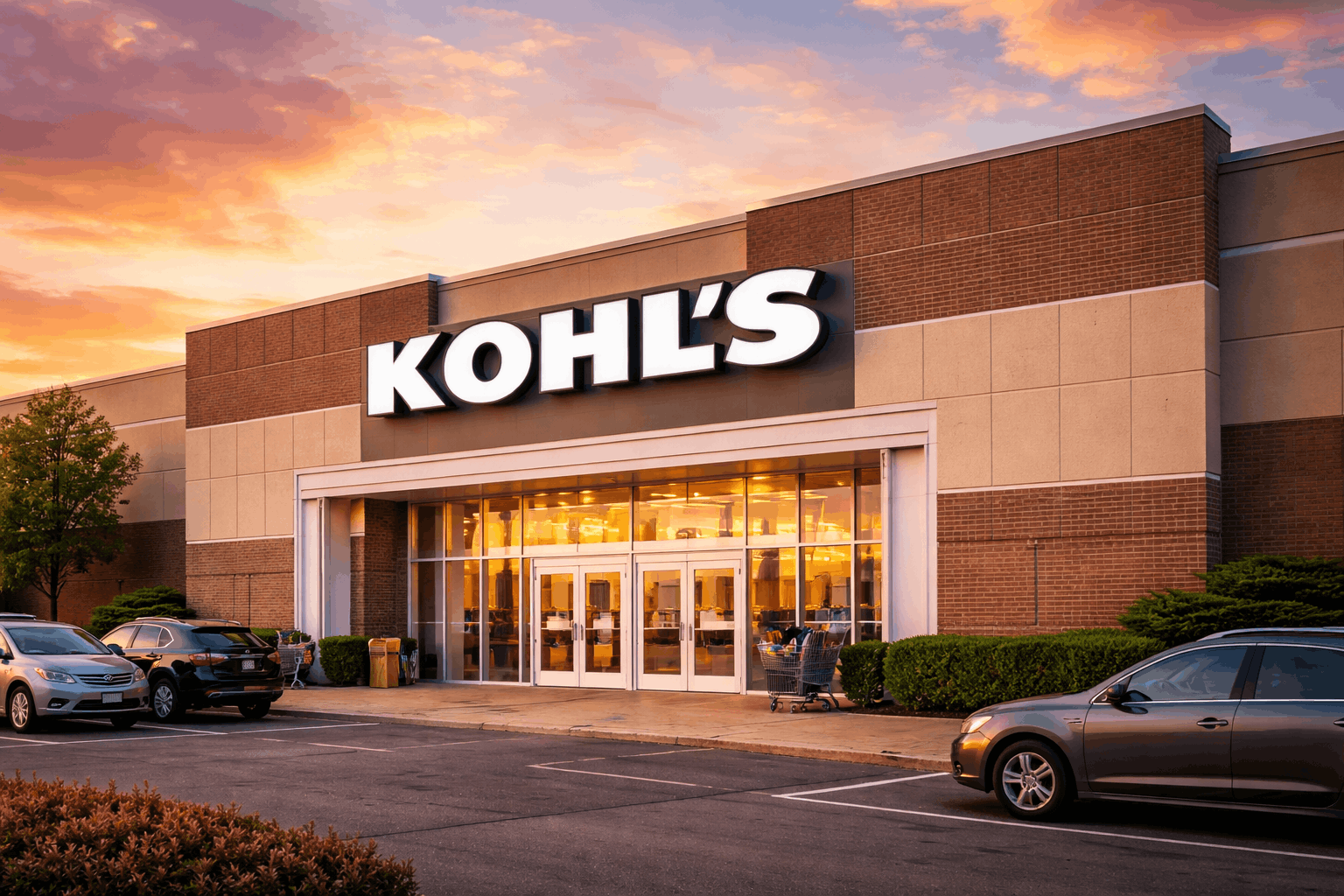
Kohl’s, a well-known American retail chain, has recently faced challenges that have led to store closures in several locations. These closures reflect broader changes in the retail industry, including shifting consumer behavior, rising costs, and increased competition from e-commerce platforms.
Store closures are not always a sign of failure; instead, they are often part of a strategic decision to improve profitability and adapt to market trends.
Table of Contents
What Is Happening with Kohl’s Stores?
Kohl’s has been evaluating its store performance and closing underperforming locations. This process is part of a business strategy aimed at optimizing operations and focusing on more profitable stores.
Retail companies regularly review their physical store networks to ensure they align with current market demand and consumer preferences.
Reasons Behind Kohl’s Store Closures
Several key factors have contributed to the store closures:
- Shift to Online Shopping: Customers increasingly prefer online platforms over physical stores.
- High Operating Costs: Rent, staff salaries, and maintenance expenses have increased.
- Changing Consumer Behavior: Shoppers now prioritize convenience and digital experiences.
- Competition: Strong competition from e-commerce giants and discount retailers.
These factors have forced many traditional retailers to rethink their strategies.
Financial Impact on the Business
Store closures can have both positive and negative financial effects on Kohl’s.
Positive impacts:
- Reduced operational costs
- Improved profit margins
- Better resource allocation
Negative impacts:
- Short-term revenue decline
- Job losses and workforce adjustments
- Reduced physical market presence
Overall, the goal is to create a more efficient and financially stable business model.
Impact on Retail Industry and Markets
The decision by Kohl’s reflects a larger trend in the global retail sector.
Key industry impacts include:
- Growth of e-commerce and digital platforms
- Decline in traditional brick-and-mortar stores
- Increased focus on omnichannel retail strategies
- Changing investment patterns in retail stocks
Investors closely monitor such changes to understand the future direction of the retail market.
Business Strategy and Future Outlook
Despite store closures, Kohl’s is focusing on long-term growth through strategic initiatives:
- Expanding online sales channels
- Enhancing customer experience
- Partnering with popular brands
- Improving supply chain efficiency
These steps aim to strengthen the company’s competitive position and ensure sustainable growth.
Lessons for Business and Finance
The situation with Kohl’s offers important lessons:
- Businesses must adapt to changing market trends
- Cost management is crucial for profitability
- Digital transformation is essential in modern retail
- Strategic restructuring can improve long-term success
Companies that fail to adapt risk losing market share in a rapidly evolving business environment.
Kohl’s, a well-known American retail chain, has recently faced challenges that have led to store closures in several locations. These closures reflect broader changes in the retail industry, including shifting consumer behavior, rising costs, and increased competition from e-commerce platforms.
Store closures are not always a sign of failure; instead, they are often part of a strategic decision to improve profitability and adapt to market trends.

References
- I shopped at Kohl's to see how stores are taking 'aggressive action' to boost plummeting sales
- How The Investment Story For Kohl's (KSS) Is Shifting After Guidance And Target Cuts
- Kohl’s had an even worse quarter than Wall Street expected with net sales plummeting nearly 10% in the aftermath of layoffs and store closures
- Kohl’s to close 27 stores by April as struggling department stores works to improve sales


