
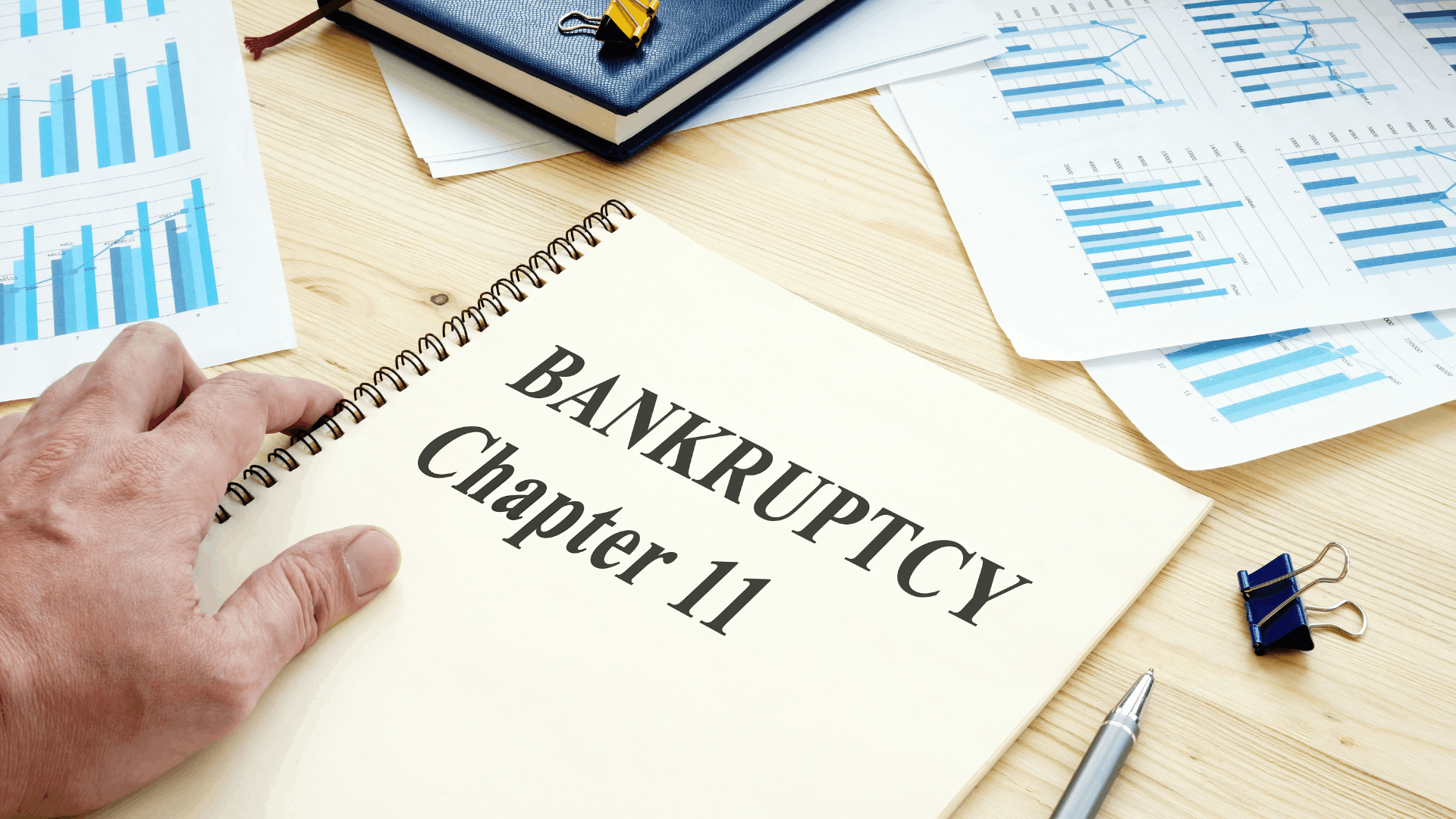
When people hear about Domino’s Pizza and Chapter 11, they often wonder what it means for a company and its financial future. In business and finance, Chapter 11 Bankruptcy is a legal process that allows companies to reorganize their debts while continuing operations.
Large corporations sometimes use Chapter 11 to restructure their finances, reduce debt, and create a new strategy for long-term growth. Understanding this process helps investors, entrepreneurs, and business students learn how companies recover from financial difficulties.
Table of Contents
What Is Chapter 11 Bankruptcy?
Chapter 11 Bankruptcy is a form of bankruptcy protection under U.S. law that allows businesses to reorganize their finances instead of shutting down completely.
During this process:
- The company continues to operate its business.
- Management creates a financial restructuring plan.
- Creditors negotiate new repayment terms.
- The company works toward becoming financially stable again.
Many large companies use Chapter 11 as a tool to recover rather than close permanently.
Domino’s Business Model and Global Growth
Domino’s Pizza is one of the world’s largest pizza delivery and quick-service restaurant chains. Founded in 1960, the company expanded globally and built a strong franchise-based business model.
Today Domino’s operates thousands of stores across many countries and focuses heavily on digital ordering, fast delivery, and technology-driven services.
The company’s financial success is largely built on:
- A global franchise network
- Strong brand recognition
- Online and mobile ordering platforms
- Efficient supply chain management
These strategies have helped Domino’s maintain strong revenue growth in the competitive fast-food industry.
Why Companies Use Chapter 11
Companies sometimes file for Chapter 11 when they face significant financial pressure, rising debt, or declining revenues.
Key reasons businesses use Chapter 11 include:
- Restructuring large debts
- Improving cash flow
- Renegotiating contracts and leases
- Protecting the company from creditors while reorganizing
The main goal is to stabilize the business and create a sustainable financial structure.
Financial Restructuring and Recovery
When a company goes through Chapter 11 Bankruptcy, it develops a restructuring plan to improve financial stability.
This plan may include:
- Reducing operational costs
- Closing unprofitable locations
- Renegotiating supplier agreements
- Adjusting debt repayment schedules
If the plan succeeds, the company can emerge from bankruptcy with a healthier balance sheet and stronger financial position.
Impact on Investors and Financial Markets
Bankruptcy restructuring can influence investors, shareholders, and financial markets.
For investors:
- Stock prices may fluctuate during restructuring.
- Debt holders may receive new repayment terms.
- Market confidence may change depending on the recovery plan.
However, successful restructuring can also restore investor confidence and improve long-term company performance.
Lessons for Business and Finance
The concept of Chapter 11 Bankruptcy offers important lessons for entrepreneurs and financial analysts.
Key lessons include:
- Financial planning is essential for long-term business survival.
- Debt management plays a critical role in corporate stability.
- Strategic restructuring can help companies recover from financial crises.
- Innovation and strong leadership support business turnaround.
These lessons apply to companies of all sizes across different industries.
Chapter 11 Bankruptcy is an important financial mechanism that allows businesses to reorganize and recover from financial difficulties. While companies may face temporary challenges, restructuring can help them rebuild and grow stronger.
Companies like Domino’s Pizza demonstrate how strong business models, innovation, and strategic management can help organizations maintain long-term success in competitive markets.

References


