
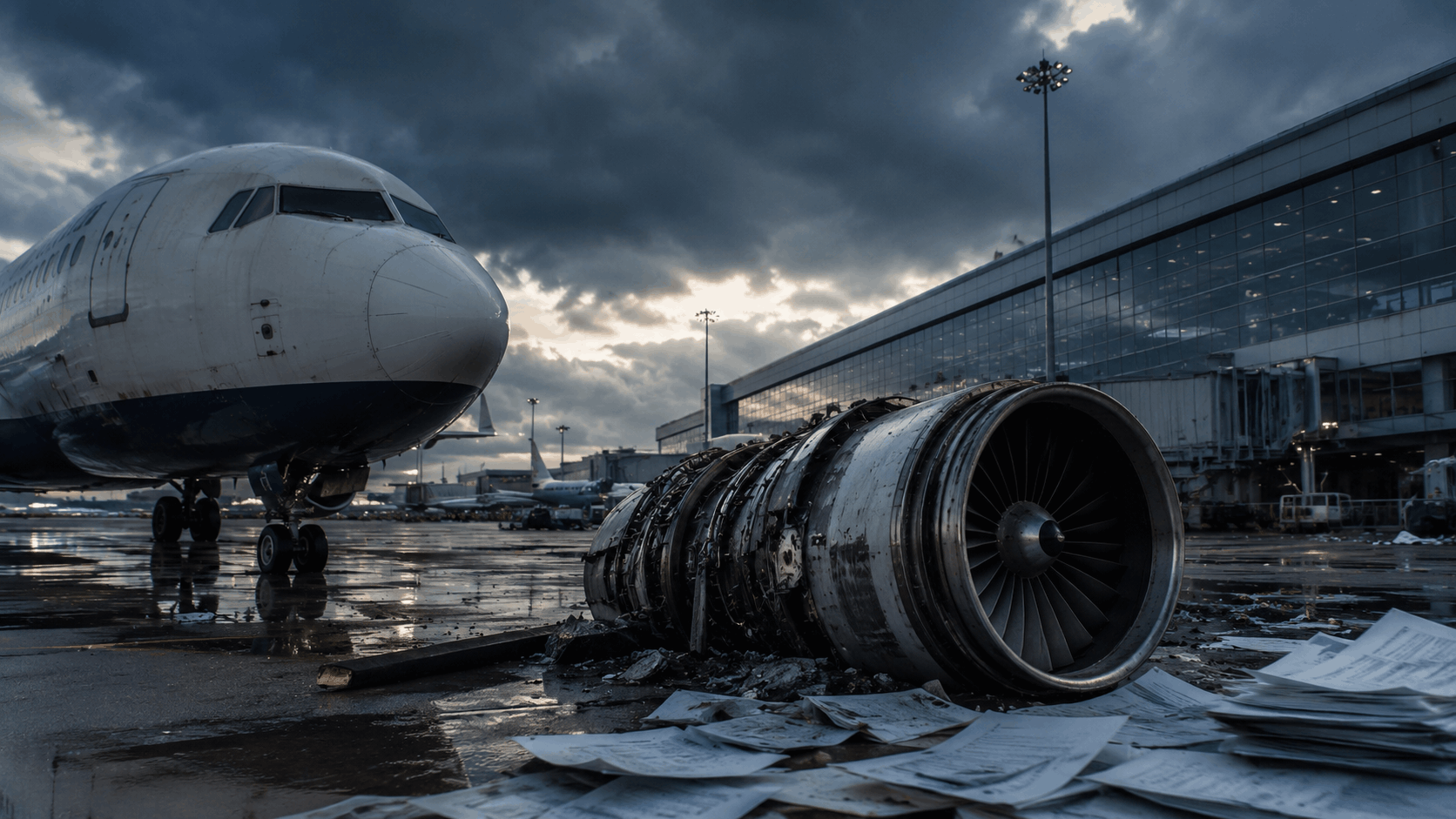
Airline bankruptcies have become a major topic in global business and finance as rising operational costs, economic uncertainty, and changing travel demand continue affecting the aviation industry.
Several airlines worldwide have faced financial pressure due to:
- Fuel price increases
- Economic slowdowns
- High operational expenses
- Debt burdens
- Global travel disruptions
Additionally, airline bankruptcies can influence tourism, business travel, employment, and stock market performance. Because of this, investors and financial analysts closely monitor developments in the aviation sector.
As global air travel continues evolving, understanding airline bankruptcies has become increasingly important for businesses, travelers, and investors.
Table of Contents
What Are Airline Bankruptcies?
An airline bankruptcy occurs when an airline company cannot meet its financial obligations and seeks legal protection or restructuring to manage debt and continue operations.
Airlines may file for bankruptcy because of:
- Declining revenue
- High fuel costs
- Economic recessions
- Poor financial management
- Reduced passenger demand
Furthermore, bankruptcy does not always mean an airline completely shuts down. In some cases, companies restructure operations and continue flying under new financial plans.
Why the Airline Industry Faces Financial Risks
The airline industry is highly sensitive to economic and global events.
Major financial challenges include:
- Rising fuel prices
- Aircraft maintenance costs
- Labor expenses
- Airport fees and taxes
- Intense competition
Additionally, airlines depend heavily on stable passenger demand and global tourism activity.
Therefore, economic slowdowns or unexpected global disruptions can quickly create financial instability for airline companies.
How Fuel Prices Impact Airline Profitability
Fuel remains one of the largest operating expenses for airlines worldwide.
When oil prices rise:
- Airline operating costs increase
- Ticket prices may rise
- Profit margins often decline
Furthermore, airlines with weaker financial reserves may struggle during periods of high fuel costs.
As a result, energy market fluctuations often directly affect airline profitability and stock performance.
Economic Slowdowns and Travel Demand
Economic uncertainty often reduces consumer spending on travel and tourism.
During recessions or financial crises:
- Business travel may decline
- International tourism slows down
- Airlines experience lower passenger demand
Additionally, reduced travel activity can create major revenue losses for airline companies.
Because of this, airlines frequently adjust routes, staffing, and operational strategies during weak economic periods.
Impact of Airline Bankruptcies on Financial Markets
Airline bankruptcies can affect broader financial markets and investor confidence.
Industries impacted may include:
- Tourism and hospitality
- Aircraft manufacturing
- Airport operations
- Travel services
- Transportation stocks
Meanwhile, airline-related stocks often experience volatility during periods of financial stress in the aviation sector.
Investors closely monitor airline earnings reports, fuel costs, and global travel trends to evaluate market conditions.
How Airlines Try to Avoid Bankruptcy
Airlines use several strategies to improve financial stability and avoid bankruptcy risks.
Common strategies include:
- Reducing operational costs
- Expanding profitable routes
- Improving fuel efficiency
- Increasing cargo services
- Restructuring debt
Additionally, many airlines invest in technology and digital systems to improve operational efficiency and customer experience.
As competition grows, airlines continue adapting business models to maintain profitability.
Government Support and Airline Industry Recovery
Governments sometimes provide financial assistance to airlines during major economic or global crises.
Support measures may include:
- Emergency financial aid
- Loan programs
- Tax relief
- Industry recovery packages
Furthermore, airline industries are often considered important for national transportation, tourism, and economic activity.
Because of this, governments may intervene to protect critical aviation infrastructure and jobs.
Future Outlook for the Aviation Industry
The future of the airline industry depends on economic recovery, travel demand, and operational efficiency.
Several trends may shape the industry:
- Sustainable aviation technology
- Fuel-efficient aircraft
- Digital travel systems
- Growth in international tourism
- AI-powered airline operations
Additionally, global travel demand is expected to continue growing over the long term despite short-term financial challenges.
Therefore, financially strong airlines may benefit from future industry recovery and modernization.
Why Airline Bankruptcies Matter in Business and Finance
Airline bankruptcies highlight the financial challenges and economic pressures facing the global aviation industry. Rising costs, changing travel demand, and economic uncertainty continue shaping airline business strategies and financial performance.
As airlines adapt to new market conditions and technological changes, investors and businesses will continue monitoring the aviation sector closely.
Therefore, understanding airline bankruptcies can provide valuable insights into transportation economics, global business trends, and financial market risks.

References


