
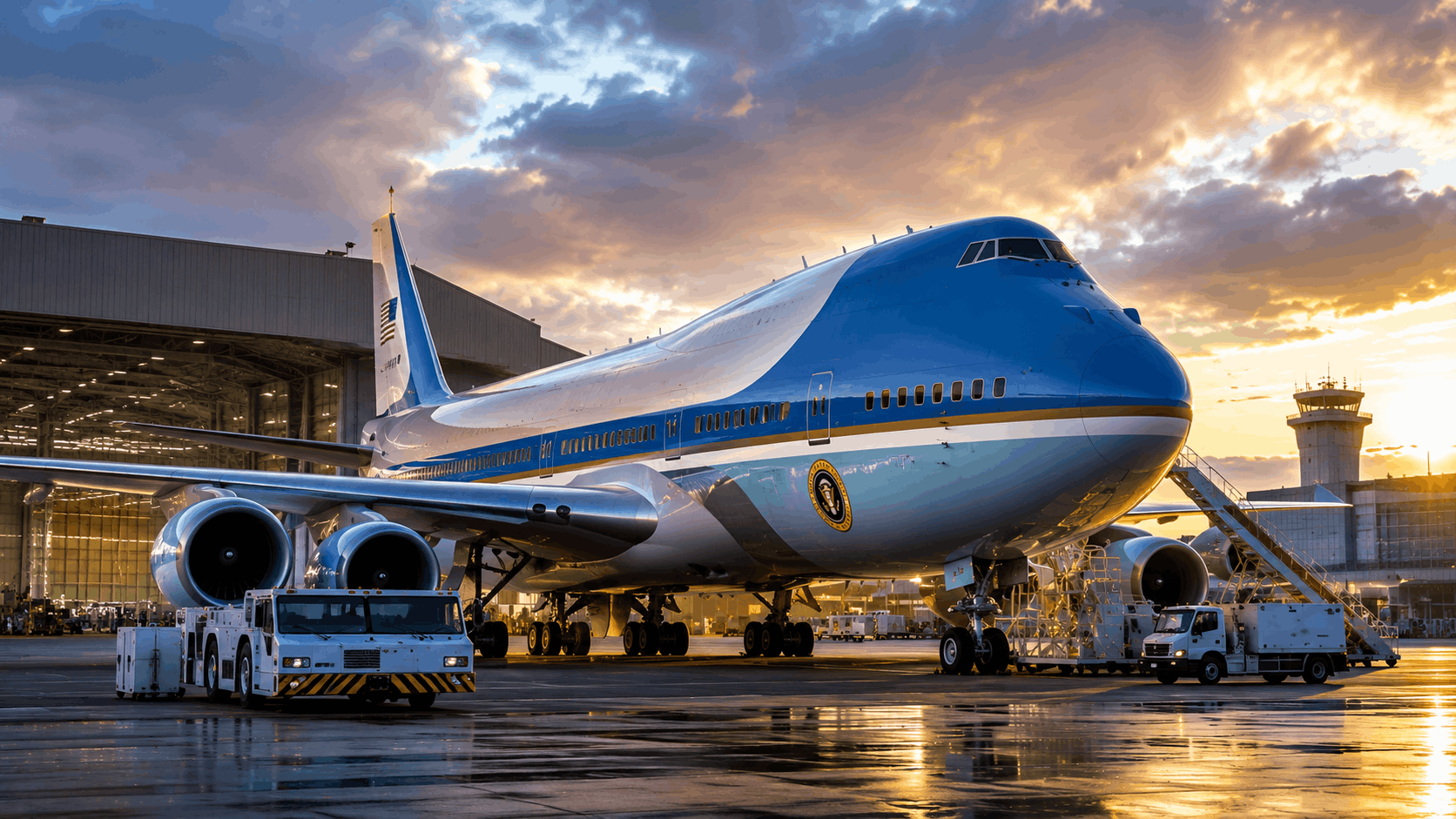
The new Air Force One program has become a major topic in business and finance discussions during 2026. The project represents one of the most expensive and technologically advanced presidential aircraft programs ever undertaken in the United States. Investors, aerospace companies, and government contractors are closely monitoring developments because the program highlights trends in defense spending, aviation technology, and large-scale government procurement.
The aircraft is expected to feature enhanced security systems, improved communication capabilities, and modern engineering technologies designed to support presidential travel for decades to come. As defense budgets and aerospace investments continue evolving, the new Air Force One remains an important subject for businesses and financial markets.
Understanding the economic impact of the project helps investors and industry observers better assess opportunities within the aerospace and defense sectors.
Table of Contents
What Is the New Air Force One and Why Is It Important?
The new Air Force One refers to the next generation of presidential aircraft being developed to replace aging planes currently used by the President of the United States.
The program is important because it supports:
- National security operations
- Advanced aerospace manufacturing
- Defense industry innovation
- High-skilled employment opportunities
- Long-term government infrastructure investments
Furthermore, the aircraft incorporates sophisticated technologies that may influence future developments within the aviation industry.
Because presidential transportation requires exceptional reliability and security, the program involves extensive engineering and testing processes.
How the New Air Force One Supports the Aerospace Industry
Large government aviation programs often generate substantial economic activity.
Benefits include:
Increased Manufacturing Demand
Aircraft production creates opportunities for suppliers and aerospace manufacturers.
Job Creation
Highly skilled engineers, technicians, and production workers are needed throughout the project.
Technology Development
Advanced communication and defense systems may lead to innovations applicable to commercial aviation.
Supply Chain Expansion
Numerous businesses participate in producing aircraft components and specialized equipment.
As a result, major aerospace initiatives can contribute significantly to industrial growth.
Why Investors Monitor Defense and Aerospace Programs
Investors frequently watch government aviation projects because they can influence company revenues and long-term business prospects.
Important factors include:
- Government contract opportunities
- Defense spending trends
- Technological advancements
- Manufacturing capabilities
- Global security developments
Additionally, aerospace companies involved in large-scale projects may benefit from increased demand for specialized products and services.
Because defense-related investments often involve long-term commitments, they remain attractive to many institutional investors.
Challenges Facing the New Air Force One Program
Despite its strategic importance, the program faces several challenges.
Potential concerns include:
- Rising production costs
- Supply chain disruptions
- Technical delays
- Budget constraints
- Inflationary pressures
Furthermore, complex aerospace projects often require years of development before completion.
Therefore, maintaining schedules and controlling expenses remain important priorities.
Future Outlook for the New Air Force One
The long-term outlook for the program remains closely tied to advancements in aerospace technology and defense priorities.
Several trends could support future development:
- Improved aircraft efficiency
- Enhanced communication systems
- Increased automation
- Modernized security capabilities
- Continued government investment
Additionally, innovations developed for the project may influence broader aerospace markets in the coming years.
As technology continues evolving, the new Air Force One is expected to remain a symbol of engineering achievement and national capability.
Why the New Air Force One Matters in Business and Finance
The new Air Force One program extends beyond presidential transportation. It reflects broader trends in government spending, aerospace innovation, manufacturing activity, and defense investments.
For businesses, the project demonstrates how large government contracts can support industrial growth and technological advancement. For investors, aerospace programs provide insight into long-term opportunities within the defense sector.
Therefore, the new Air Force One remains an important topic in business and finance discussions during 2026.
The new Air Force One program represents a significant investment in aviation technology, national security, and aerospace manufacturing. While challenges related to costs and production schedules remain, the project continues supporting innovation and economic activity across multiple industries.
For investors, businesses, and industry analysts, monitoring developments surrounding the new Air Force One offers valuable insights into defense spending trends and future opportunities within the aerospace sector.

References


