
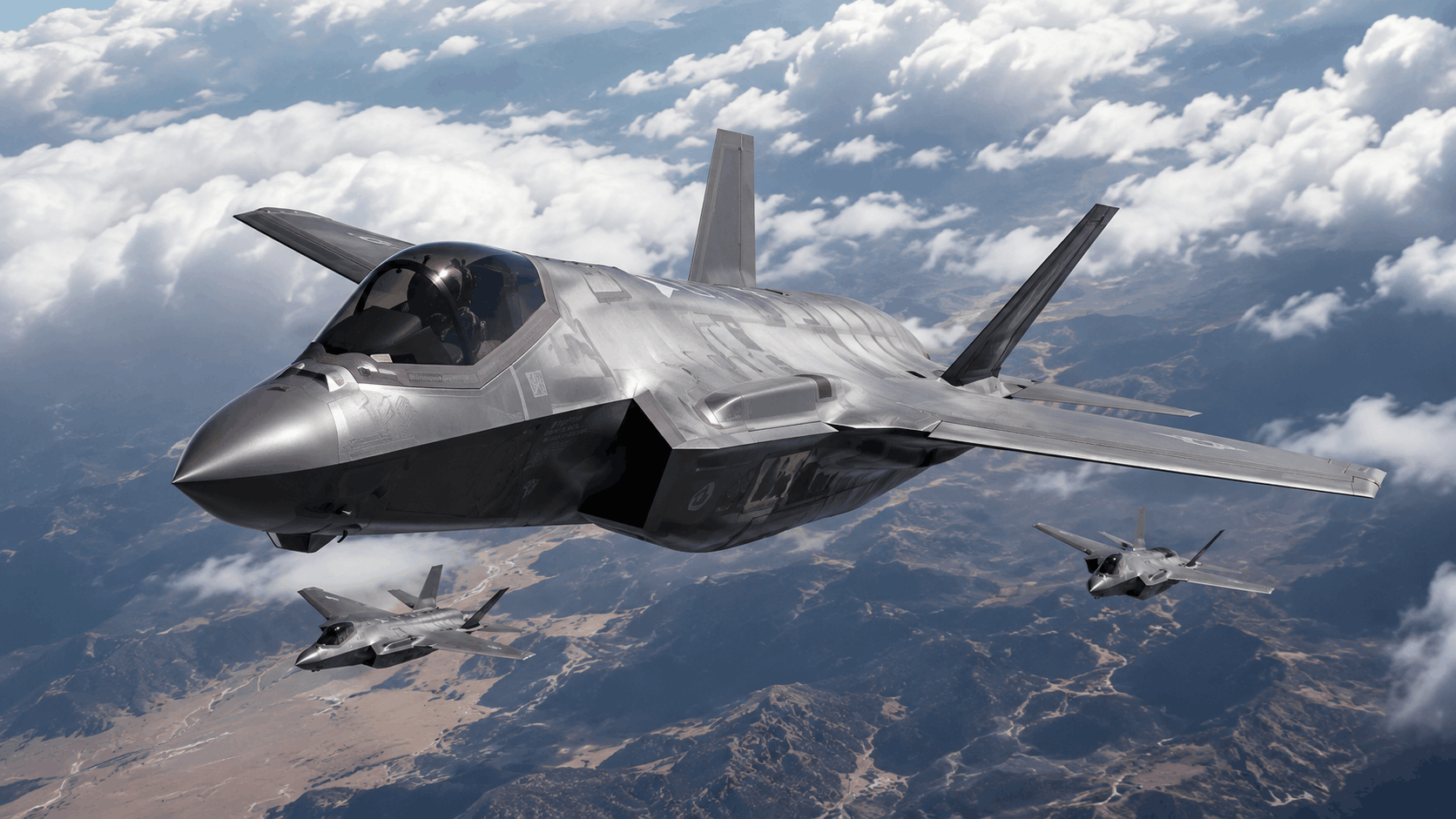
Fighter aircraft are trending globally as governments continue increasing defense spending, modernizing air forces, and investing in advanced military technology.
Today, fighter aircraft play a critical role in:
- National security
- Aerospace innovation
- Defense manufacturing
- International trade agreements
- Military modernization programs
Additionally, rising geopolitical tensions and technological competition among major nations have increased public and investor interest in the defense sector.
As a result, fighter aircraft programs are becoming increasingly important not only for national defense but also for business growth, employment, and economic development.
Table of Contents
What Are Fighter Aircraft and Why Are They Important?
Fighter aircraft are military airplanes specifically designed for air-to-air combat, air defense missions, and strategic operations.
Modern fighter jets are equipped with:
- Advanced radar systems
- Artificial intelligence support technologies
- Precision-guided weapons
- Electronic warfare capabilities
- Stealth technology
Furthermore, fighter aircraft help countries protect airspace, strengthen military readiness, and maintain strategic security.
Because of their advanced technology, fighter aircraft remain among the most valuable assets in modern defense systems.
How Fighter Aircraft Drive the Aerospace Industry
The fighter aircraft sector is a major contributor to the global aerospace industry.
Development and production activities support:
- Aircraft manufacturing
- Engineering services
- Technology research
- Supply chain operations
- Skilled employment opportunities
Additionally, defense contracts often generate billions of dollars in economic activity.
As aerospace technology becomes more advanced, fighter aircraft programs continue driving innovation across multiple industries.
Defense Spending and Economic Growth
Defense spending has a significant impact on national economies.
Governments worldwide continue investing in:
- Air force modernization
- Military infrastructure
- Aerospace research
- Defense technology development
Furthermore, large fighter aircraft programs create long-term economic benefits through manufacturing, exports, and job creation.
Because of this, defense spending remains closely linked to industrial growth and technological advancement.
Why Investors Monitor Defense and Aerospace Companies
Investors closely watch defense companies because military spending often remains a long-term government priority.
Several factors support investor interest:
- Rising global defense budgets
- Aerospace innovation
- Government contracts
- Export opportunities
- Advanced technology development
Additionally, defense companies frequently participate in large-scale projects that generate stable revenue streams.
As geopolitical uncertainty continues influencing markets, aerospace and defense stocks often attract significant investor attention.
Technology Innovation in Modern Fighter Aircraft
Modern fighter aircraft incorporate some of the most advanced technologies available today.
Important innovations include:
- Artificial intelligence integration
- Stealth technology
- Advanced sensors
- Autonomous systems
- Next-generation communication networks
Furthermore, technological advancements developed for military aviation often influence commercial aerospace and industrial sectors.
As innovation accelerates, fighter aircraft continue shaping the future of aviation technology.
Global Competition in the Fighter Aircraft Market
The global fighter aircraft market is highly competitive.
Countries continue investing in:
- Indigenous aircraft development
- Defense partnerships
- Military exports
- Next-generation fighter programs
Additionally, aerospace manufacturers compete for international contracts worth billions of dollars.
Because of this, fighter aircraft programs often influence international business relationships and economic cooperation.
Challenges Facing the Fighter Aircraft Industry
Although the sector continues growing, fighter aircraft manufacturers face several challenges.
Major challenges include:
- High development costs
- Complex regulatory requirements
- Supply chain disruptions
- Rapid technological changes
- Geopolitical uncertainty
Furthermore, modern fighter aircraft programs often require years of research and significant financial investment.
Therefore, efficiency and innovation remain essential for long-term industry success.
Future Outlook for Fighter Aircraft and Aerospace Markets
The future of the fighter aircraft industry remains strong as nations continue prioritizing defense modernization.
Several trends may support future growth:
- Artificial intelligence adoption
- Next-generation aircraft development
- Increased defense budgets
- Advanced aerospace technologies
- International defense cooperation
Additionally, governments are expected to continue investing in air superiority and strategic defense capabilities.
As a result, fighter aircraft may remain a key driver of aerospace industry growth for decades.
Why Fighter Aircraft Matter in Business and Finance
Fighter aircraft are more than military assets. They represent a major part of the global aerospace industry, supporting innovation, manufacturing, employment, and economic growth.
As governments continue increasing investments in defense technology and aerospace modernization, the fighter aircraft sector is likely to remain an important contributor to business development and financial markets.
Therefore, understanding fighter aircraft trends provides valuable insight into defense spending, aerospace innovation, global trade, and future economic opportunities.
