
Venezuela has long been recognized as one of the most resource-rich nations in the world. Despite this natural advantage, the country has faced a prolonged economic crisis that has deeply affected its business and financial systems.
Historically, Venezuela enjoyed strong economic growth driven by oil exports. However, overdependence on a single sector, combined with policy challenges and global market changes, led to instability. Today, Venezuela represents a unique case where high natural wealth coexists with financial hardship.
From a business perspective, the country offers both risks and potential opportunities. Therefore, understanding its financial structure, inflation trends, and investment climate is essential for anyone analyzing global markets.
Table of Contents
- Oil Industry and Economic Dependence
- Inflation and Currency Instability
- Business Environment and Private Sector Challenges
- Government Policies and International Influence
- Investment Climate and Capital Markets
- Emerging Business Trends and Adaptation
- Economic Diversification and Future Strategy
- Long-Term Economic Outlook
Oil Industry and Economic Dependence
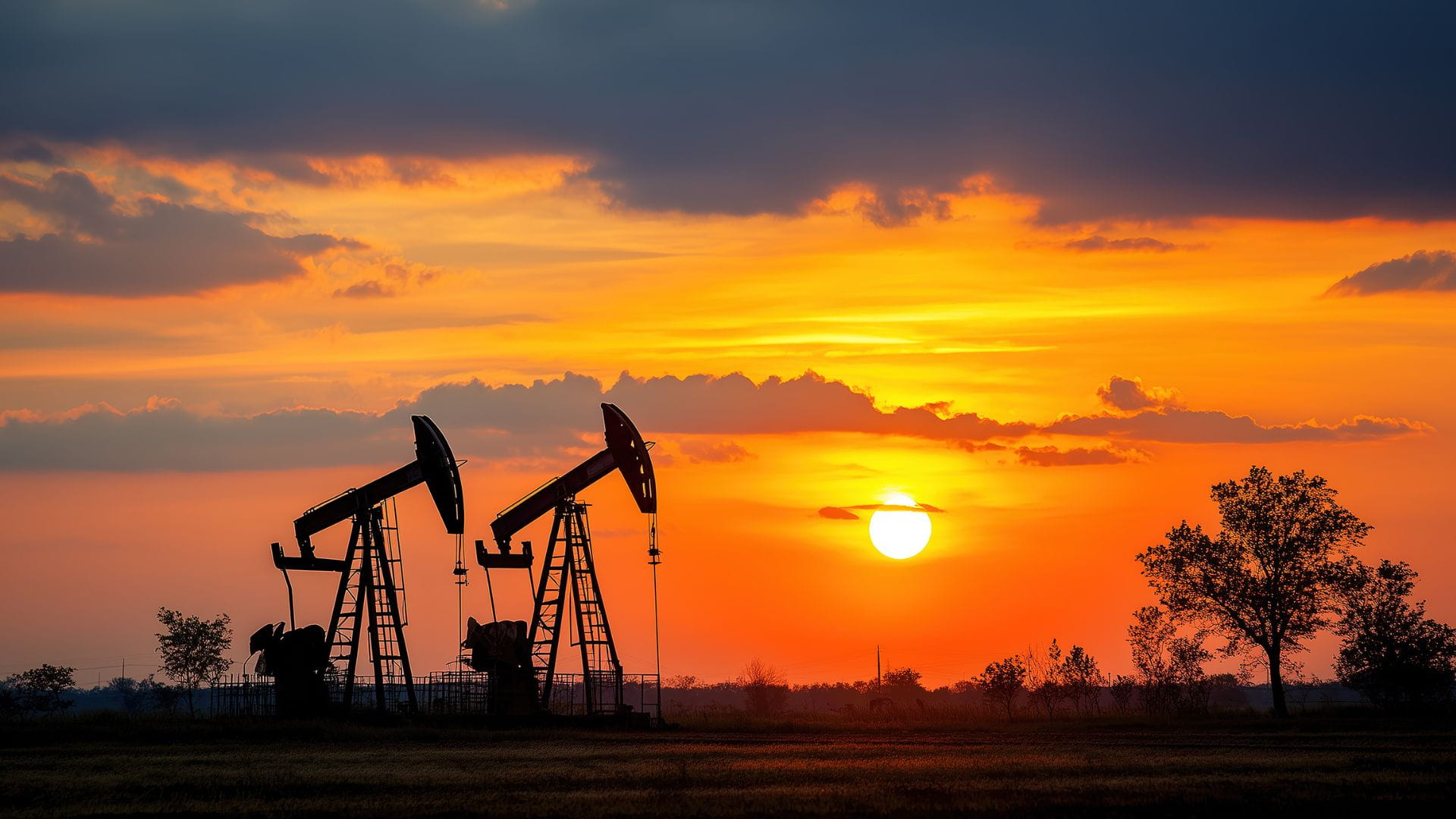
The Venezuelan economy has been heavily dependent on oil for decades. The state-owned oil company PDVSA plays a central role in generating revenue and supporting government spending.
At its peak, oil exports contributed the majority of foreign exchange earnings. This dependence created vulnerability. When oil prices fell globally, government revenue dropped sharply. As a result, public spending declined, and economic growth slowed.
Moreover, underinvestment in oil infrastructure reduced production capacity. Equipment shortages, lack of maintenance, and limited foreign partnerships further weakened the sector. Consequently, Venezuela’s ability to rely on oil as a stable economic engine has declined over time.
From a business standpoint, this highlights the importance of diversification. Economies that depend on a single industry often face higher risks during global market fluctuations.
Inflation and Currency Instability
One of the most severe financial challenges in Venezuela has been hyperinflation. Prices have risen rapidly, making it difficult for businesses and consumers to plan their finances.
The Venezuelan bolívar has lost significant value over the years. This decline has reduced purchasing power and created uncertainty in the market. Businesses struggle to set prices, manage costs, and maintain profitability.
In addition, currency controls have restricted access to foreign exchange. This has made imports expensive and limited the availability of essential goods. As a result, many companies have faced supply chain disruptions.
To adapt, many businesses have started using foreign currencies such as the US dollar in daily transactions. This informal dollarization has helped stabilize some parts of the economy, although it has also created inequality between different income groups.
Business Environment and Private Sector Challenges
The private sector in Venezuela has faced multiple challenges due to economic instability. Many businesses have reduced operations, while others have shut down completely.
Key challenges include
Limited access to capital
High inflation and pricing uncertainty
Regulatory changes and policy risks
Weak consumer demand
Despite these obstacles, some businesses have shown resilience. Small enterprises and local producers have adapted by focusing on essential goods and services. They have also adopted flexible pricing strategies and alternative payment systems.
Entrepreneurs are increasingly relying on digital tools and informal networks to sustain their operations. This adaptability reflects the strength of the private sector, even in difficult conditions.
Government Policies and International Influence
Government policies have played a significant role in shaping Venezuela’s financial system. Measures such as price controls, currency regulations, and nationalization have influenced business decisions.
In addition, international sanctions—especially from United States—have limited Venezuela’s access to global financial markets. These restrictions have reduced foreign investment and affected trade relations.
As a result, businesses operating in Venezuela face additional challenges when dealing with international partners. Limited access to global financing has made expansion difficult and increased operational risks.
However, policy changes in the future could improve the situation. Economic reforms and international cooperation may help restore stability and attract investment.
Investment Climate and Capital Markets
Investor confidence in Venezuela remains low due to economic uncertainty. Capital markets are underdeveloped, and foreign direct investment has declined significantly.
However, the country still holds long-term potential. Its natural resources, including oil, gas, and minerals, provide a strong foundation for future growth.
If economic reforms are implemented, Venezuela could become attractive for investments in
Energy and oil production
Infrastructure development
Manufacturing and industrial projects
Investors often look for signs of stability, transparency, and policy consistency. Therefore, improving these factors will be essential for rebuilding confidence in the market.
Emerging Business Trends and Adaptation
Despite ongoing challenges, new trends are emerging in Venezuela’s business environment. Companies are adapting to changing conditions by becoming more flexible and innovative.
Some key trends include
Use of digital payment systems
Growth of local production
Increased use of foreign currencies
Expansion of informal business networks
These trends show that businesses are finding ways to survive and grow, even in a difficult economic environment. Innovation and adaptability are becoming key drivers of success.
Economic Diversification and Future Strategy
For long-term growth, Venezuela needs to diversify its economy. Relying only on oil is no longer sustainable.
Potential sectors for diversification include
Agriculture and food production
Tourism and services
Manufacturing and exports
Technology and digital services
Diversification can reduce economic risk and create new business opportunities. It can also improve employment levels and strengthen the overall economy.
Long-Term Economic Outlook
The future of Venezuela depends on several key factors. These include economic reforms, political stability, and global market conditions.
If the government implements effective policies and encourages private sector growth, the economy could gradually recover. Improved infrastructure, better financial systems, and increased foreign investment will play a crucial role.
However, recovery will take time. Businesses and investors must remain cautious while evaluating opportunities in the market.
Venezuela presents a complex yet important case in global finance and business. On one hand, it has vast natural resources and long-term potential. On the other hand, it faces serious economic challenges such as inflation, currency instability, and regulatory uncertainty.
For businesses and investors, understanding Venezuela requires careful analysis and strategic planning. While risks remain high, future reforms and economic stabilization could unlock new opportunities.
In the long run, Venezuela’s ability to diversify its economy and strengthen its financial systems will determine its success in the global business landscape.
References


